BANGKOK ART & CULTURE CENTER
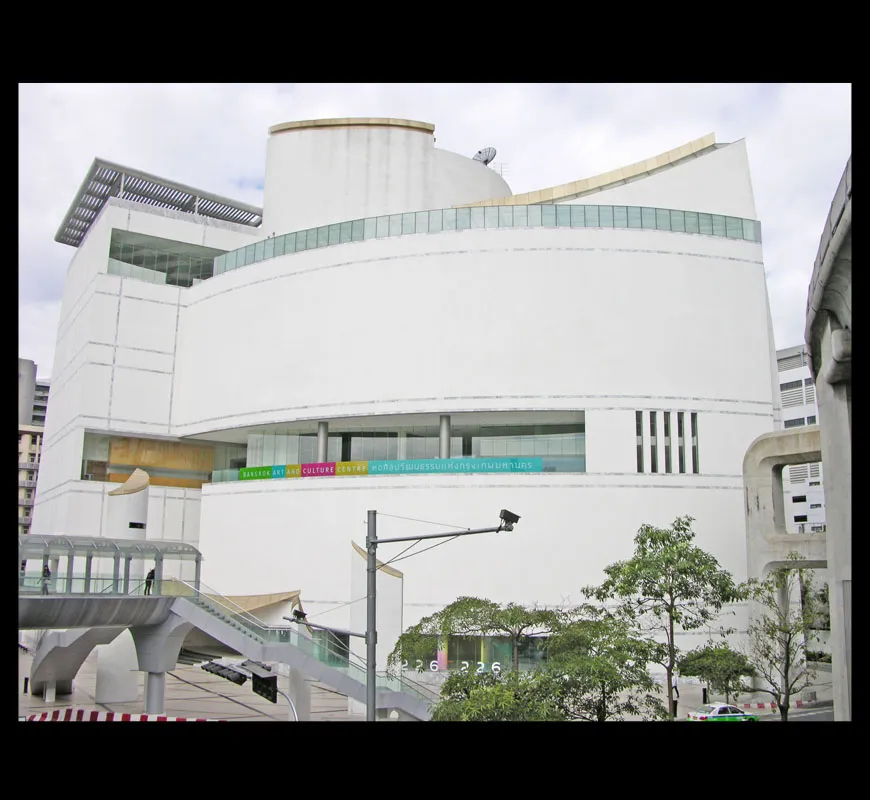
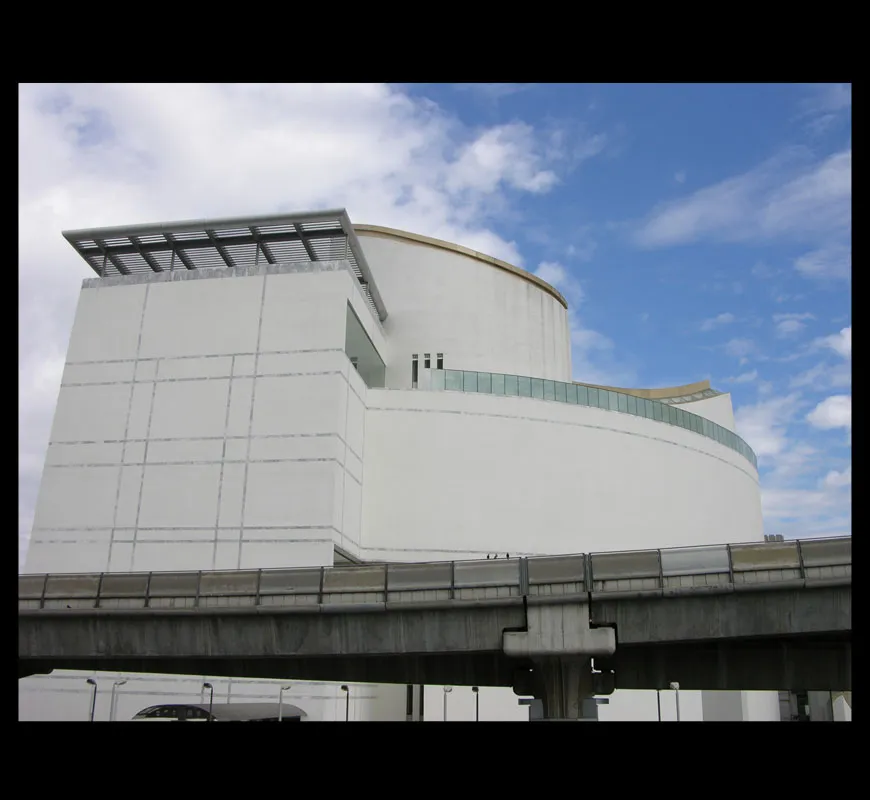
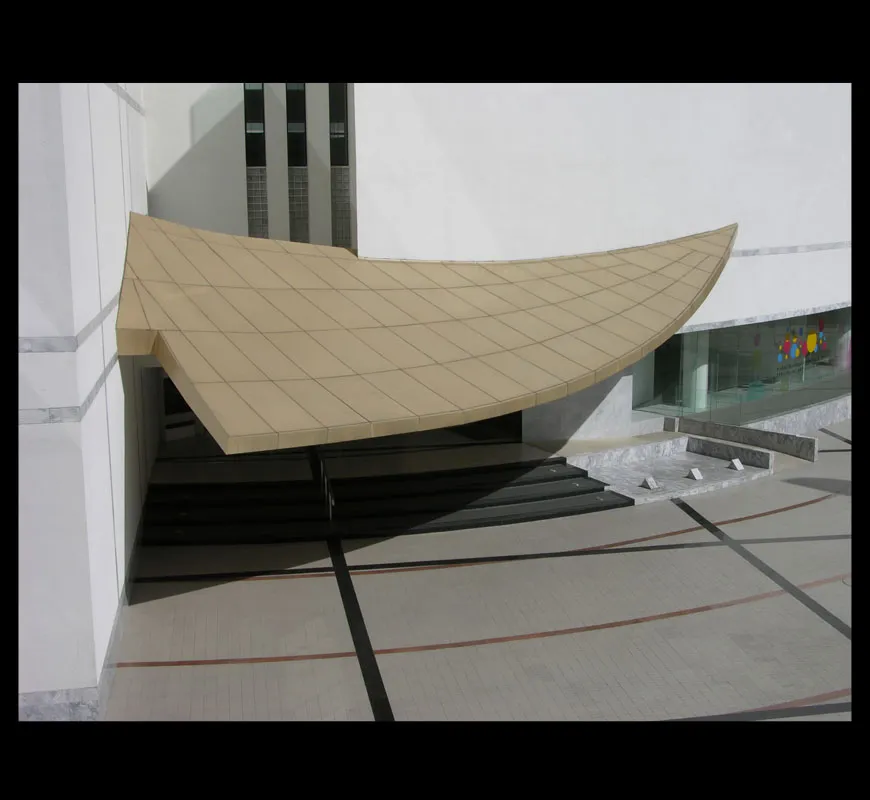
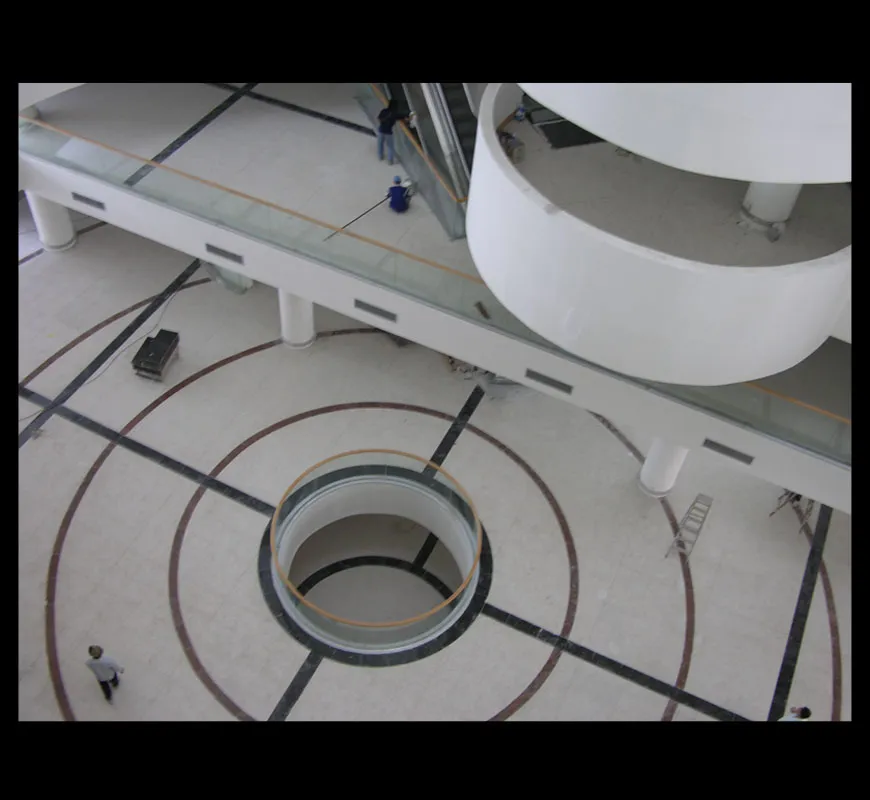
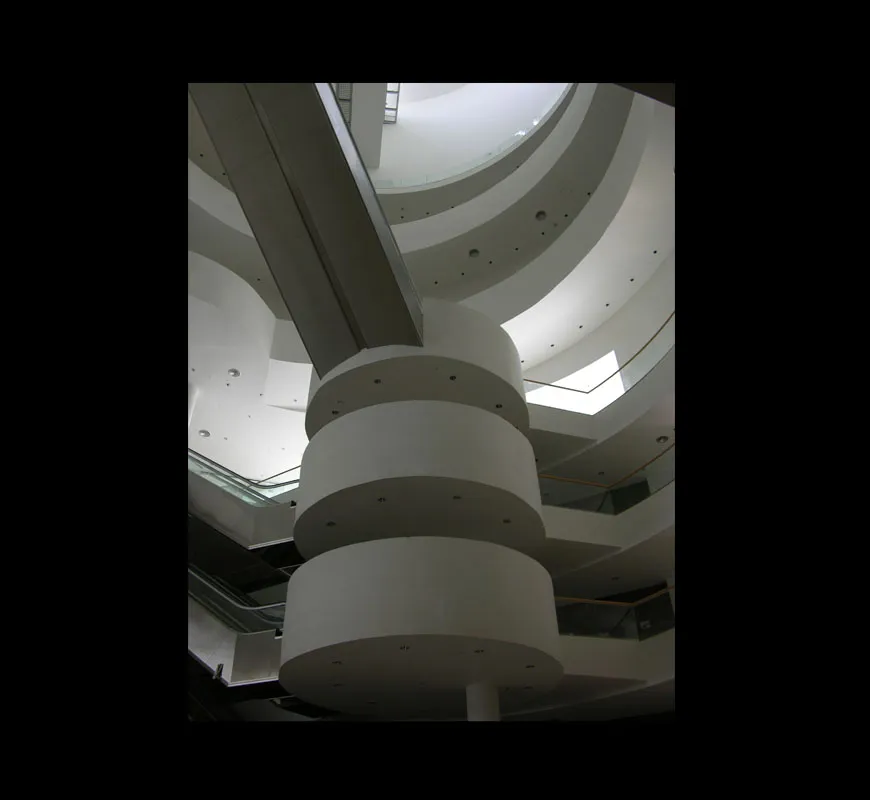
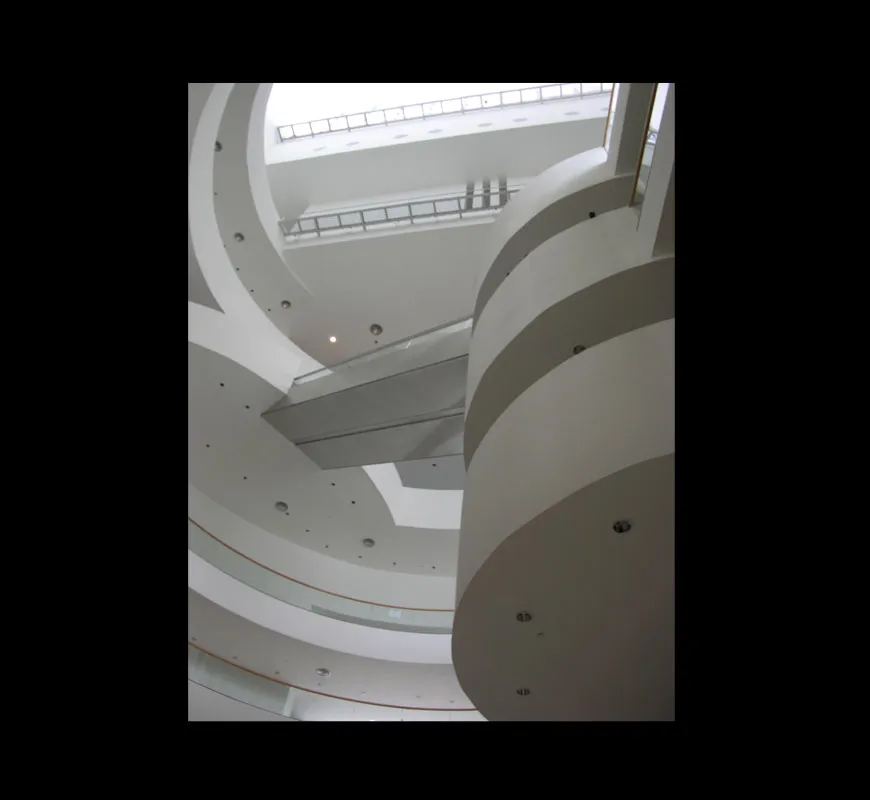
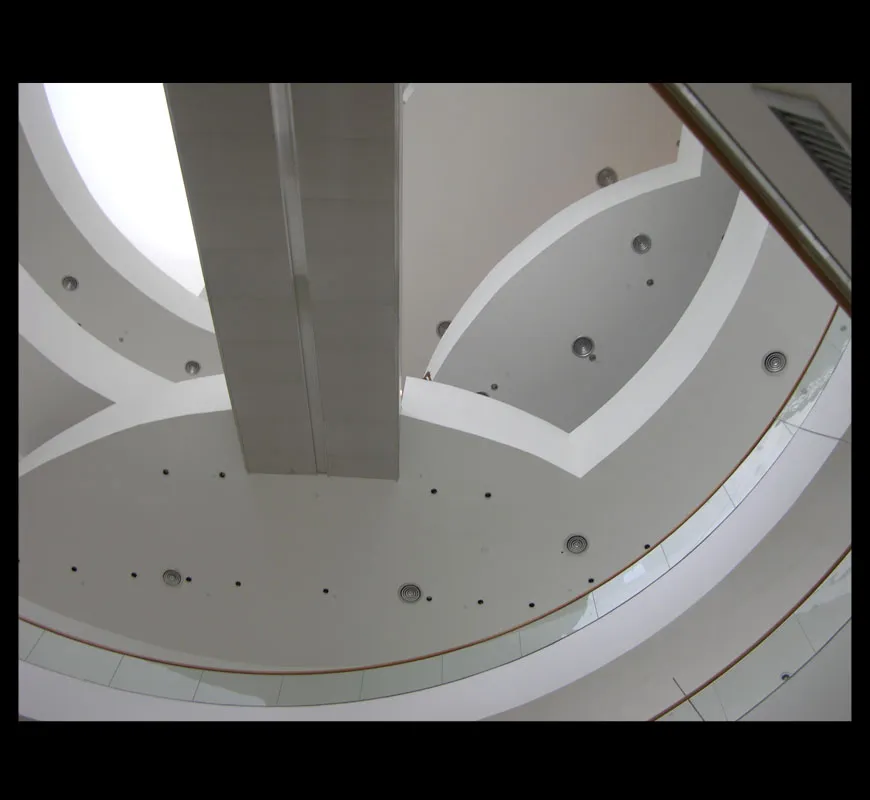
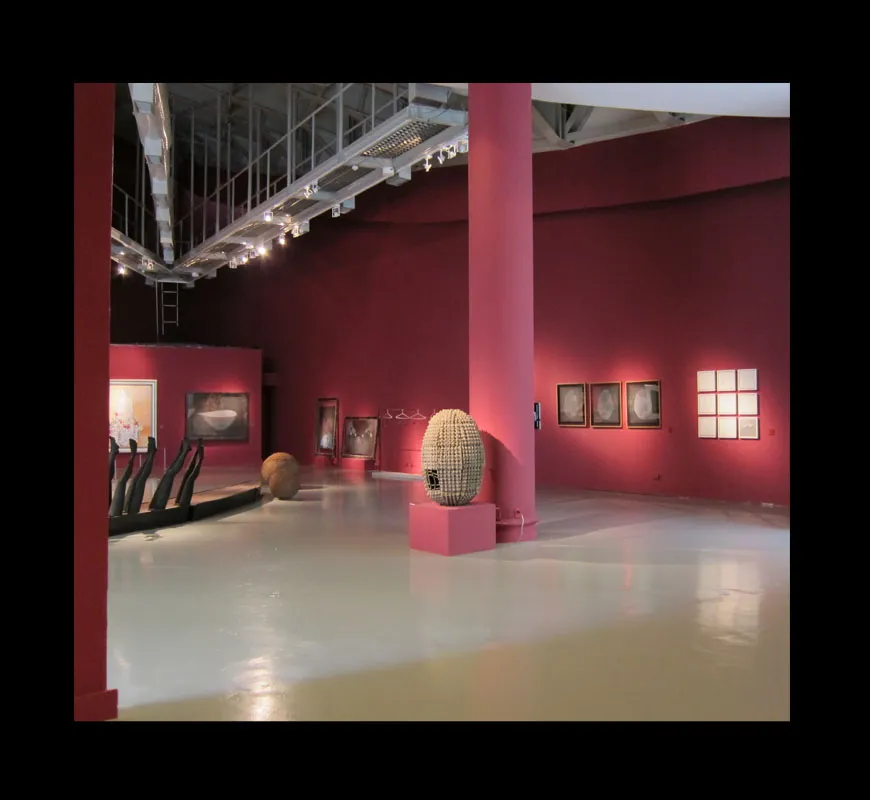
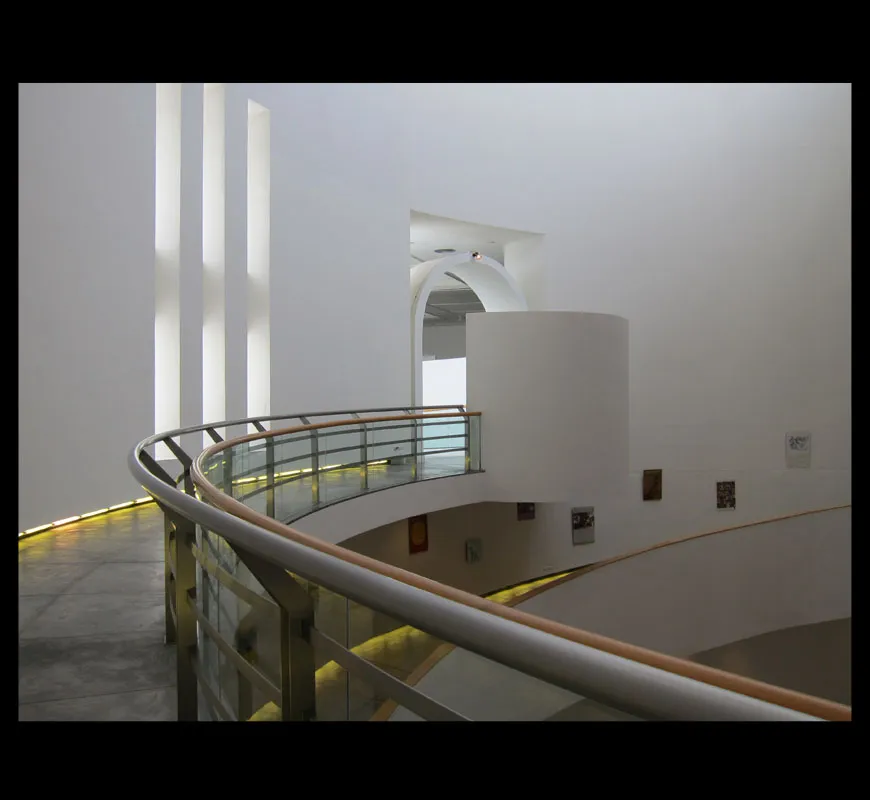
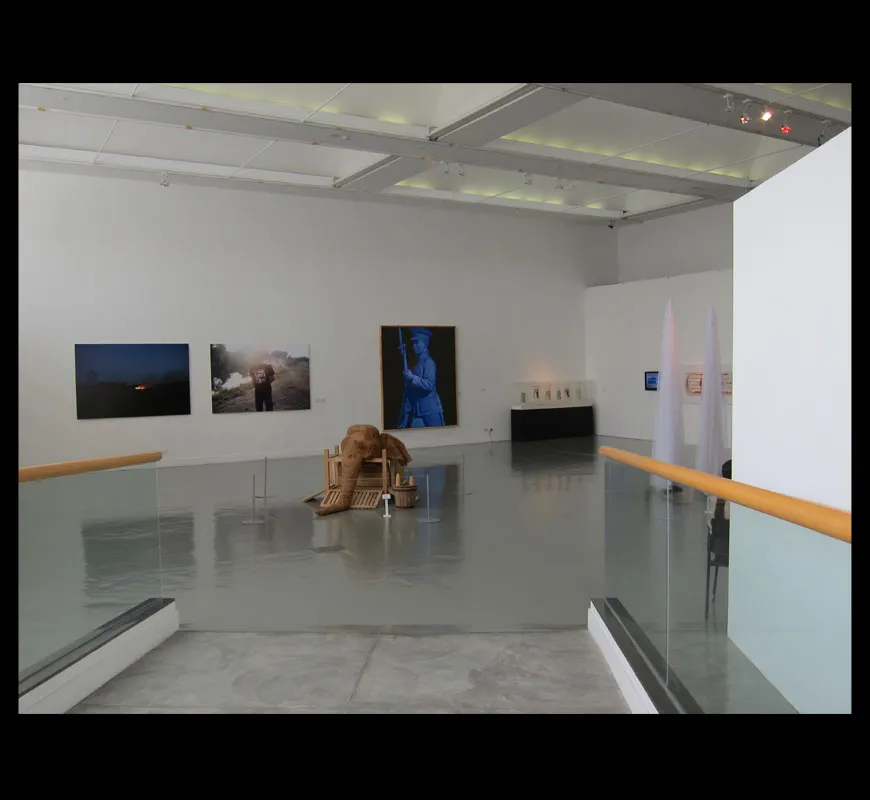
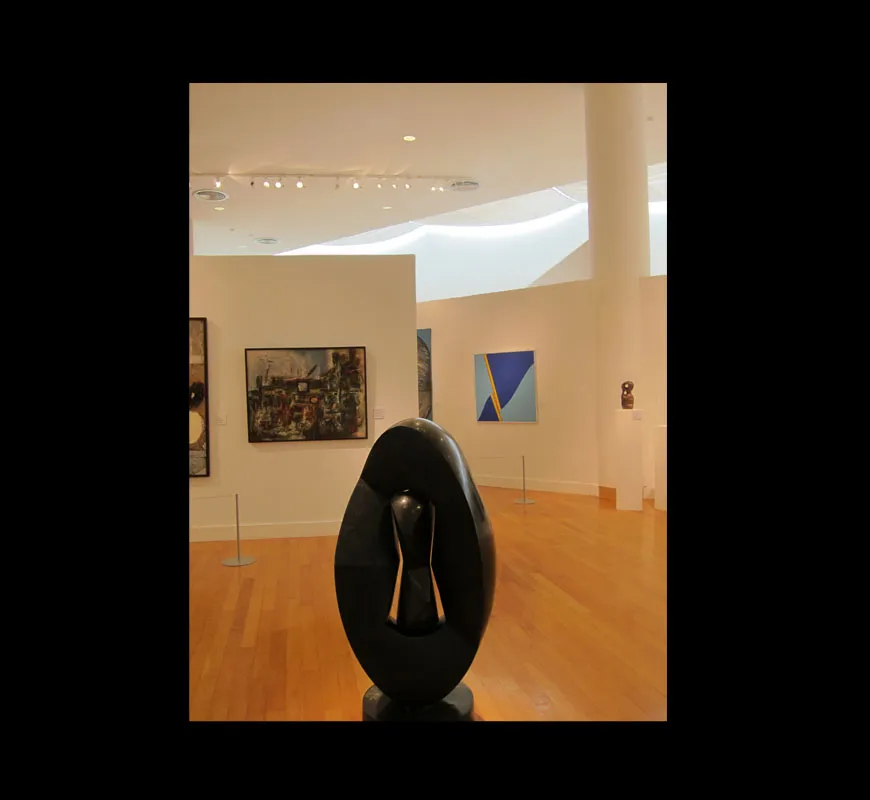
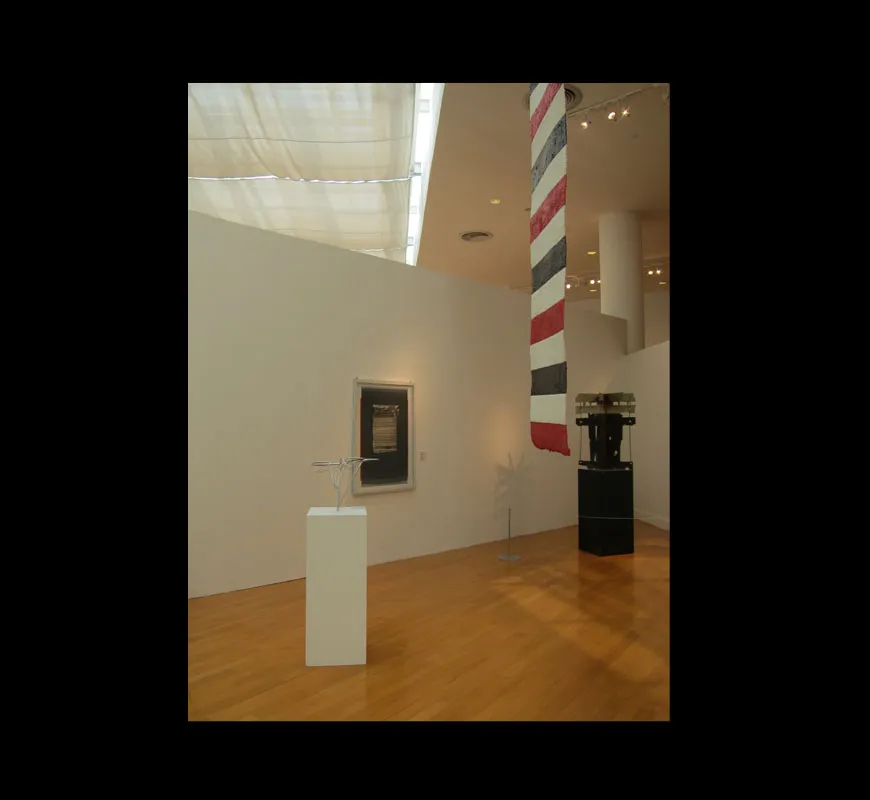
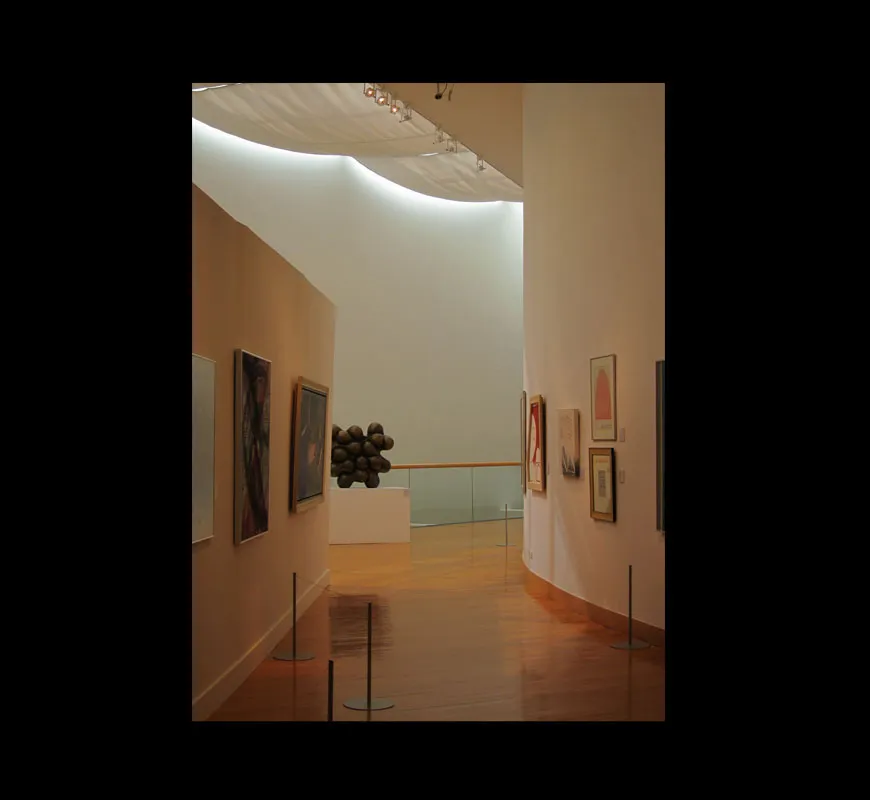
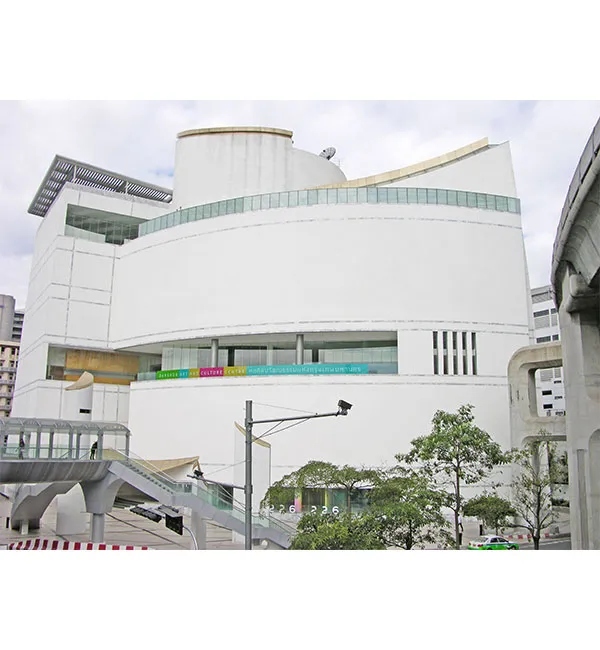
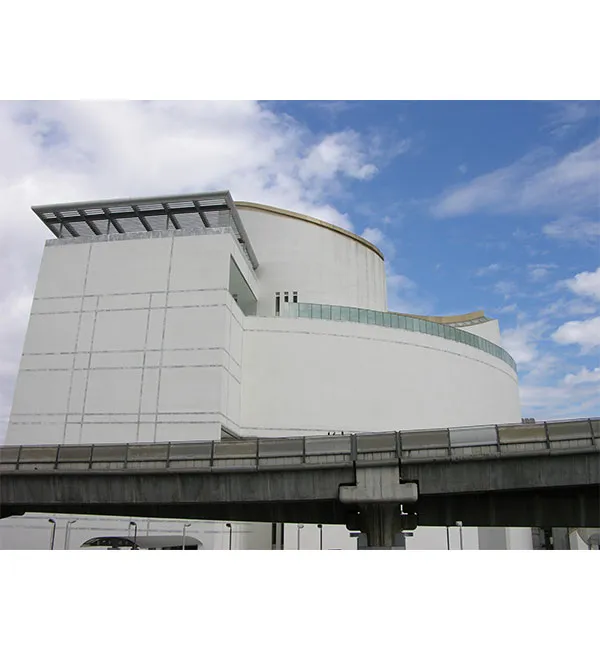
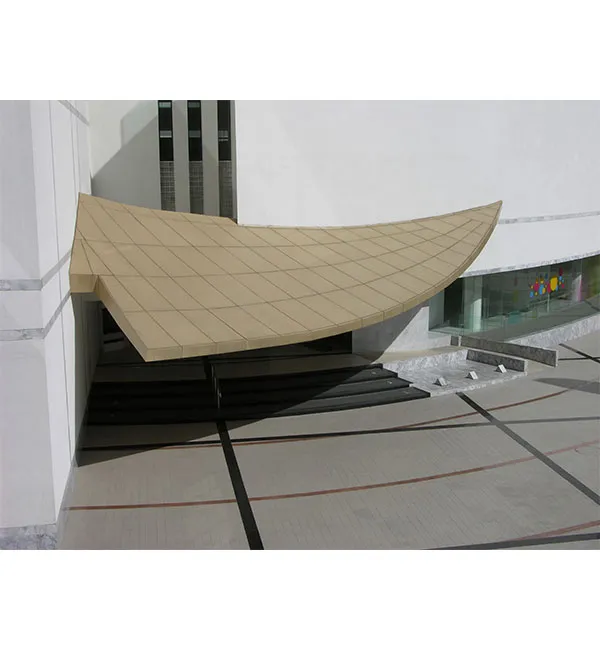
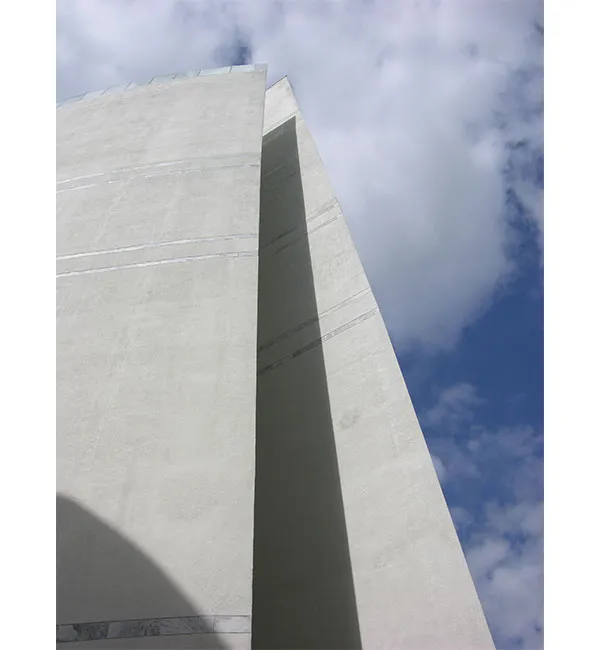
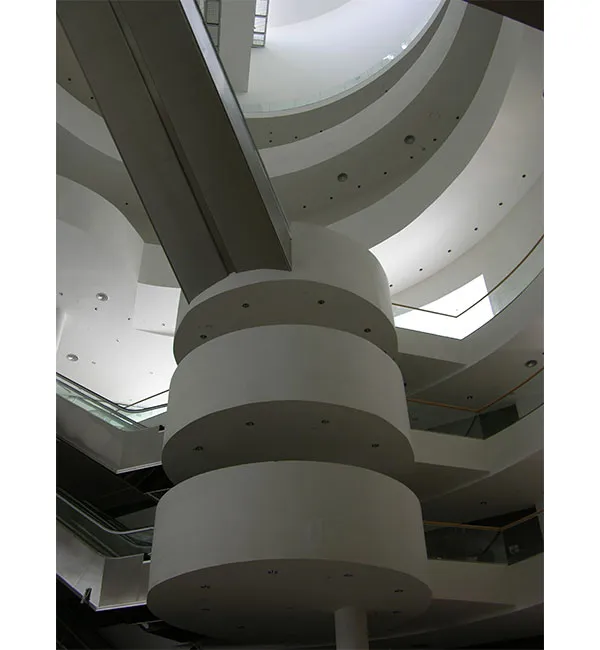
Four major considerations were used in the development of the design concept. One: To create a building that was flexible in its use ,and one which allows the artwork to be displayed in flexible arrangements in the various spaces with different light, volume and character. Two: To create a building of appropriate character including reference to Thai architecture. The building will be an important icon in Thai culture. It must be exciting, inviting and usable, and should reflect the dynamism of Thai modern Art. Three: The Building was designed to have high spaces to accommodate the art. In addition the central space should act as a symbol of the building and should set the tone for the entire interior. Four: The building, especially the galleries must make optimum use of natural but controlled natural light. The upper floors of the building, which house the galleries allow the most opportunity to advance this idea
Of major importance was the integration of the commercial area as a support facility to the museum. In our opinion to make the commercial area a completely separate entity, would not be commercially viable, since traditionally center shopping centers are larger than that outlined in the design program. With proper management and a proper selection of shops related to art, both the museum and the commercial area can be mutually supportive. Such shops could include graphics, art galleries, modern furniture and accessories, coffee shops offering light food and music, and art and architectural book shops. In our opinion it would not be advisable to have any one single tenant to be dominant in the commercial area. The Museum itself should play the role of anchor tenant.
Location: Pathumwan, Bangkok, Thailand
Of major importance was the integration of the commercial area as a support facility to the museum. In our opinion to make the commercial area a completely separate entity, would not be commercially viable, since traditionally center shopping centers are larger than that outlined in the design program. With proper management and a proper selection of shops related to art, both the museum and the commercial area can be mutually supportive. Such shops could include graphics, art galleries, modern furniture and accessories, coffee shops offering light food and music, and art and architectural book shops. In our opinion it would not be advisable to have any one single tenant to be dominant in the commercial area. The Museum itself should play the role of anchor tenant.
Location: Pathumwan, Bangkok, Thailand